Bathroom Tiles: Styles, Materials & Tips
Expert guide to bathroom tiles: materials, layouts, installation tips and maintenance.
Choosing bathroom tiles is both a functional decision and a design opportunity. The right bathroom tiles can resist moisture, stand up to daily use, and set the mood of the room. This guide covers popular materials, installation considerations, maintenance tips, and design ideas to help homeowners and professionals make informed choices with confidence.
Key factors when choosing bathroom tiles
Moisture exposure, slip resistance, and durability are top priorities in any bathroom tile project. Consider the floor, shower walls, and vanity backsplash separately. For floors, prioritize durability and slip resistance (look for high PEI ratings and low DCOF for wet areas). For walls, you can prioritize aesthetics and ease of cleaning. Budget, maintenance, and color coordination with fixtures also play a major role.
Popular tile materials for bathrooms
Ceramic Tiles
Ceramic tiles are budget-friendly and come in a wide variety of colors, patterns, and sizes. Glazed ceramic tiles are household staples for walls and light-traffic areas. They are easy to cut and install, and maintenance is straightforward. On floors, glazed ceramic can work in low- to mid-traffic bathrooms but may show wear in high-traffic zones over time.
Porcelain Tiles
Porcelain tiles are a dense, highly durable option suitable for both walls and floors. They are less porous than ceramic and perform well in wet environments. Availability in large formats reduces grout lines and creates a seamless look. Installation can be trickier and sometimes requires professional help, which adds to cost, but the long-term durability is a strong return on investment.
Natural Stone Tiles
Natural stone such as marble, travertine, or slate delivers unique veining and luxury. Stone is porous and typically requires sealing to resist stains and moisture. Regular maintenance includes resealing and using pH-balanced cleaners. Because stone can etch from acidic cleaners, homeowners should plan for ongoing care or choose sealed, treated surfaces designed for bathrooms.
Glass Tiles
Glass tiles create brilliant light reflection and a modern, high-end look. They are non-porous and easy to clean, making them ideal for backsplashes and shower niches. However, glass can be slippery on floors and grout lines can require careful cleaning to prevent soap scum buildup. Use glass tiles as accents or in low-traffic areas to maximize durability and beauty.
Large Format and Cement Tiles
Large-format porcelain or ceramic tiles offer minimal grout lines and a contemporary feel, while cement and cement-look tiles provide bold patterns and color. Both options often require sealing and professional installation. Large formats reduce maintenance but demand precise substrate preparation to avoid lippage during installation.
Design ideas and layout considerations
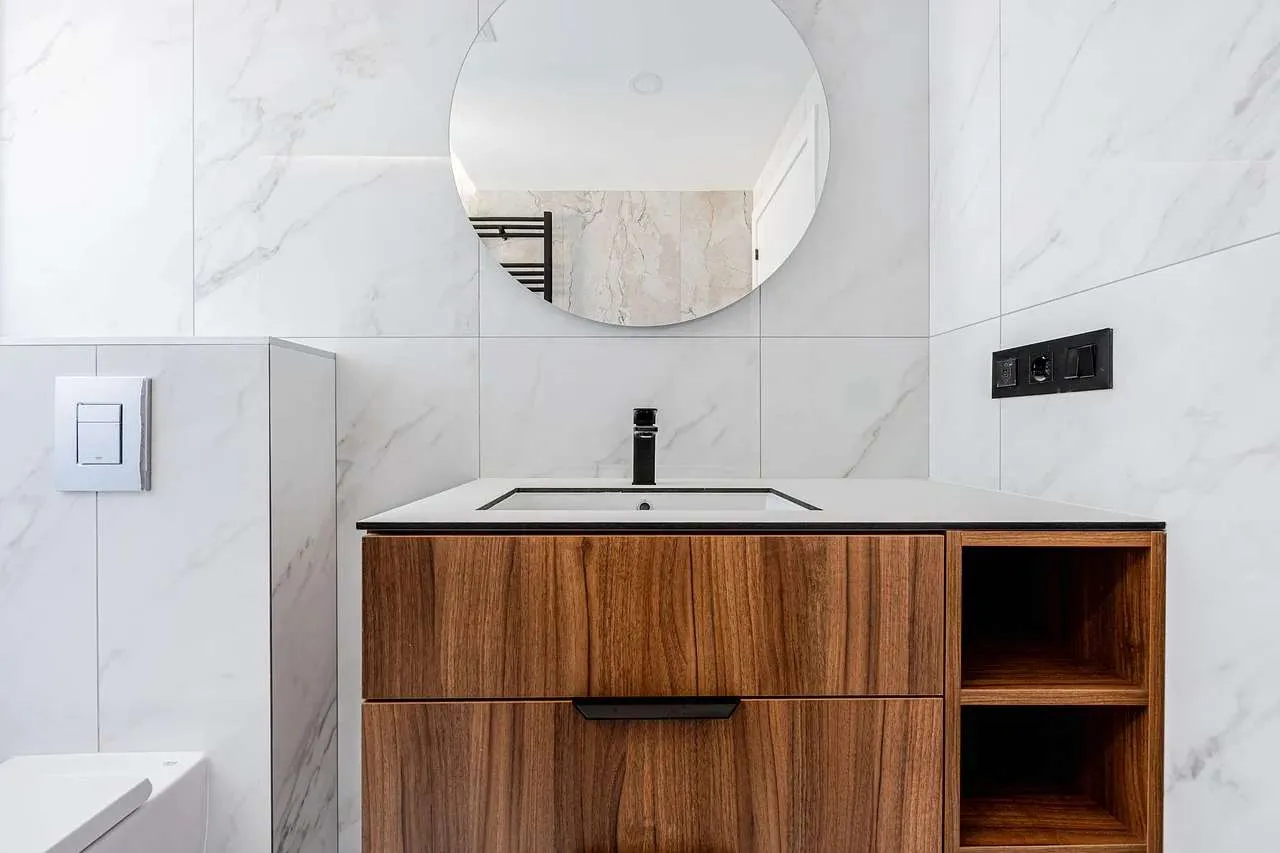
Create visual interest with contrasting trims, borders, or a mosaic accent behind the vanity. A classic subway tile in a herringbone or stacked bond can evoke timeless style, while large-format porcelain tiles create a clean, spa-like vibe. Consider a lighter tile for walls paired with a medium- to dark-tone floor tile for depth. For small bathrooms, using larger tiles with fewer grout lines can elongate space; for wet rooms with heavy moisture, opt for non-porous options like porcelain or glass.
Installation and maintenance tips
Professional installation ensures waterproofing, accurate leveling, and correct substrate preparation, all critical for bathroom tiles. Key steps include moisture barrier and backer board installation, proper adhesive selection, accurate spacing with controlled grout lines, and a proven waterproofing membrane behind shower walls. Maintenance varies by material: ceramic and porcelain are easy to clean with pH-neutral cleaners; natural stone requires periodic sealing; glass tiles are straightforward but grout needs regular cleaning to prevent haze. Always follow manufacturer recommendations and consider a maintenance plan that fits your budget and lifestyle.
Comparison of common bathroom tile types
| Tile Type | Pros | Cons | Ideal Uses | Maintenance |
|---|---|---|---|---|
| Ceramic Tiles | Budget-friendly, wide design options, easy cutting | Less durable on floors; may chip in high-traffic areas | Wall surfaces, backsplashes, light-traffic bathrooms | Easy to clean; glazing reduces porosity |
| Porcelain Tiles | Very durable, water resistant, available in large formats | More challenging cutting; higher install cost | Showers, bathroom floors, wet zones | Low maintenance; sealing not required for glazed types |
| Natural Stone Tiles | Luxurious, unique veining | Porous; requires sealing and ongoing care | Showers, accent walls, premium bathrooms | Periodic sealing; special stone cleaners |
| Glass Tiles | Reflects light; non-porous; modern look | Slippery on floors; grout can be hard to clean | Backsplashes, shower niches, accent walls | Easy to clean; grout maintenance needed |
| Cement Tiles | Bold patterns; contemporary aesthetic | Porous; requires sealing; color variation | Floor and wall applications in modern bathrooms | Regular sealing; avoid acidic cleaners |
Design and care checklist
Before purchasing, assess room moisture levels, ventilation, and light. Request samples to visualize color and texture with existing fixtures. Confirm slip ratings (DCOF) for floor tiles and PEI ratings for wear resistance. Plan a maintenance schedule aligned with tile material, and enlist a licensed contractor to ensure waterproofing standards are met. A well-chosen bathroom tile strategy balances aesthetics, durability, and long-term value.
Conclusion, or more precisely, this guide has covered core bathroom tile considerations: materials, installation, maintenance, and design ideas. By matching material properties to your space and lifestyle, you can achieve a durable, beautiful bathroom that remains stylish for years to come. A professional assessment can provide precise recommendations tailored to your home.
Summary: In this guide we explored ceramic, porcelain, natural stone, glass, and cement tiles, along with practical installation and maintenance tips. We highlighted how to match tile choices to moisture, traffic, and budget, and we offered design ideas and a maintenance plan to ensure a lasting, elegant bathroom.