Bathroom Tile Guide: Design and Install
A practical guide to bathroom tile selection, installation, and care.
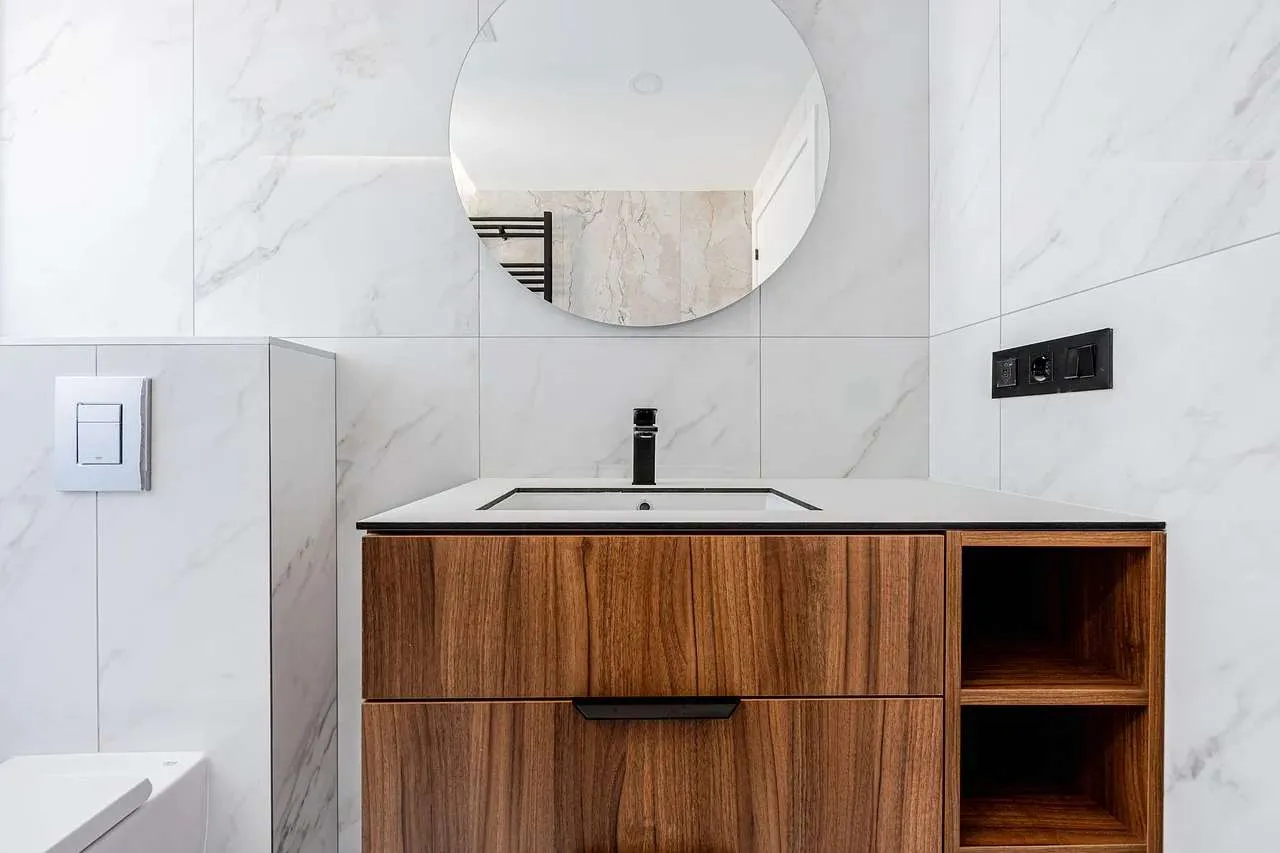
Choosing bathroom tile is a foundation for both style and durability in spaces exposed to heat, humidity, and spills. This guide covers materials, installation tips, design ideas, and maintenance to help you achieve a beautiful, long-lasting bathroom.
Understanding bathroom tile materials
Tiles come in several materials, each with unique benefits. Ceramic and porcelain are popular for their durability and affordability, natural stone offers luxury, and glass tiles add reflectivity and accent details.
Ceramic Tile
Ceramic tile is budget-friendly, easy to cut, and available in a wide range of colors and patterns. It absorbs more water than porcelain, so it's best for walls or low-moisture floors if you select high-quality glaze and proper sealing. Typical PEI ratings for ceramic range from II to IV, indicating varying wear resistance. Maintenance is straightforward with mild cleaners and periodic sealing seldom required for glazed surfaces.
Porcelain Tile
Porcelain is denser and less porous than ceramic, with superior water resistance—ideal for floors and wet areas. It often has a higher PEI rating and can mimic stone or wood when glazed or through-body porcelain. Maintenance is similar to ceramic, but ensure proper grouting and sealing as needed depending on glaze.
Natural Stone Tile
Stone tiles like marble, granite, or travertine offer luxury but require more care. They are more porous and susceptible to staining and etching from acids. sealing is essential, and periodic resealing helps preserve appearance. Stone tiles are heavier and can be pricier, but they create a timeless, high-end look.
Glass Tile
Glass tiles introduce light, color depth, and visual interest. They can be used as mosaics or accent strips. Glass is non-porous and resistant to stains, but it can be slippery in certain settings and shows water spots if not cleaned regularly. Use matte or frosted glass in showers to reduce glare and maintenance needs.
Key considerations when choosing bathroom tile
To balance aesthetics with practicality, evaluate:
- Size and layout: Larger tiles reduce grout lines and can make small bathrooms feel bigger; consider rectangular patterns (herringbone) for movement.
- Slip resistance: For floors, aim for a DCOF rating above 0.42; for showers, choose textured finishes or matte depending on brand.
- Water exposure: Porcelain and certain ceramic glazes offer better moisture resistance for floors and shower niches.
- Maintenance and sealing: Glazed ceramic and porcelain generally need less maintenance; natural stone requires sealing and periodic resealing.
- Budget and installation: Material cost plus labor varies; larger formats require skilled installation to avoid lippage.
Installation and maintenance essentials
Proper preparation lays the foundation for long-lasting tile. Start with a clean, dry substrate, install a waterproofing membrane in wet zones, and use a compatible thin-set mortar. Grout selections range from unsanded for small joints to epoxy for high-stain resistance. Professional installation ensures correct lippage control and waterproofing. Daily care involves mild cleaners, avoiding acidic products on stone, and blotting spills promptly to prevent staining.
Design ideas and trends
Mixing materials can add depth: large-format porcelain on the floor, ceramic wall tiles with a marble-look glaze, and a glass mosaic backsplash. Neutral palettes with bold accent colors or geometric patterns stay timeless, while wood-look tiles provide warmth without maintenance concerns. Use contrasting grout for a defined grid or seamless grout for a cleaner look. Remember to test samples in your lighting before committing.
Quick comparison of common bathroom tile materials
| Material | Water Resistance | Durability | Maintenance | Cost | Installation |
|---|---|---|---|---|---|
| Ceramic | Moderate | Medium | Low to moderate | Low | Easy |
| Porcelain | High | High | Low | Medium | Moderate |
| Natural Stone | Variable | Medium to High | High (sealing) | High | Challenging |
| Glass | High | Medium | Low | Medium | Technical |
How to choose bathroom tile for your space
Start with the room's moisture level and foot traffic. For showers and floors, porcelain or a sealed stone with a slip-resistant finish is a solid choice. For walls, ceramic or glass tiles provide color and texture without heavy maintenance. Collect samples, observe in morning and evening light, and consider grout color as a design element. If in doubt, consult a licensed installer or a kitchen and bath designer to align with building codes and best practices.
Care and longevity
Keep tiles pristine by wiping down surfaces after use, using pH-balanced cleaners, and sealing stone periodically. Replace damaged grout promptly to prevent water intrusion. Periodic assessment by a professional can help maintain adhesion, waterproofing, and overall appearance.
Summary: By understanding material properties, matching tile to moisture exposure, planning layout, and investing in proper installation and maintenance, you can achieve a durable, stylish bathroom tile that stands up to daily use and enhances your home’s value.